
On Curating Heritage
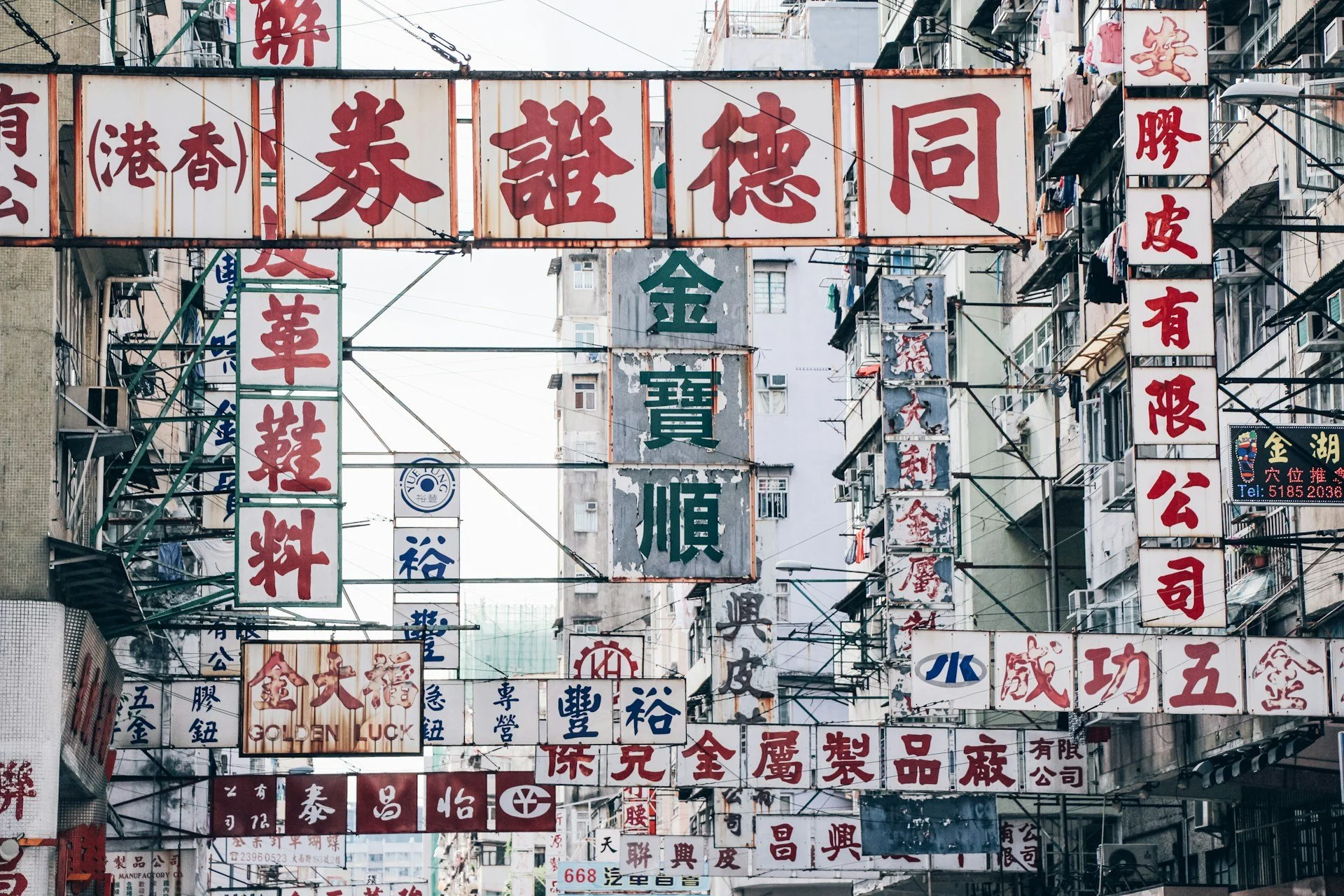
Recently, we have started curating a new exhibition about heritage and design. I will be collaborating with a local design agency: CoDesign (Eddy Yu and Hung Lam). To be honest, I am only beginning to think about heritage as a designer, whereas designing exhibitions about design is something I have done more often in my Hong Kong projects.
We begin by asking: What does it mean to “revitalize"?
My take is: to revitalise something is to give life back to what has lost it. So the question already assumes that heritage has gone out of fashion; that is also what most people picture when they hear the word “heritage”: something old and dusty, something stored under your grandparents’ dresser, something loved by our parents and tolerated by the younger generation. The word is worth examining, and I can only consider it from an English tongue: heritage comes from inherit. It is what we receive, whether or not we asked for it. An inheritance can be a gift, although in some contexts, it can be viewed as a burden. In the museum context, it is stewardship and responsibility.
I started munching on this from my own culture and upbringing. Growing up abroad has taught me to consider the burden: that traditions are to be respected, despite the little relevance they bring to my contemporary existence. Respected, but rarely explained. For a while, my parents kept nagging me to keep up with learning Chinese, and forcing books on me that had little meaning to my experience.
It can be a daunting task to consider how to present and frame heritage (from my own understanding) authentically and honestly. For some of us, it is an imposed duty, and leaves little room for reinterpretation because it is so often another big word in the Chinese context.
This reminds me of Nathaniel Hawthorne’s The House of the Seven Gables, a novel about a family house that carries the wrong-doing of earlier generations. One character, Holgrave, a young daguerreotypist who works with the newest technology of his day, loses patience:
“Shall we never, never get rid of this Past?” ... “It lies upon the Present like a giant’s dead body!”
He then compares it to a young giant forced to spend all his strength carrying the corpse of his grandfather. It’s a harsh image, and it is a character speaking, not the author’s last word. But it names something that museums rarely admit: for many people, heritage feels like a weight.
So for now, we have some considerations. The roles design can play in the heritage context are twofold: keeping the memory alive, or transforming aspects of it, so that it becomes relevant once again.
There is a Hong Kong question underneath this too. Much of what we might call heritage here is still in daily use: a trade, a shopfront, a way of making something. If it is still in use, is it heritage yet, or does it only become heritage once we decide it is old enough?
Before choosing a single project, there is one more thing I want to explore: is it still present? Is it disappearing?
We only come to pay attention when something is about to be gone, because it happens suddenly. I know it mostly from coming in and out of Hong Kong. For the past several years, especially after leaving the Netherlands, I have come back to find things gone or fading: crafts I had come to know and learn about, which fewer people now pay attention to. Calligraphy signage is being replaced by trendy typefaces. The emotional part is easy to miss. What fades is not only an object or a place, but the small feeling of recognising something familiar, and slowly changing until you notice it’s gone. This happens quite a lot in a place like Hong Kong.
And, let’s be honest, the world changes fast in this part of the world. This fast culture of rapid development comes at a cost: it fades out elements of the past that have little connection to our lives now.
So perhaps the question is not only how design can revitalize what has already gone, but whether we notice it going at all.