
Afterthought: Curatorial Conversations #280
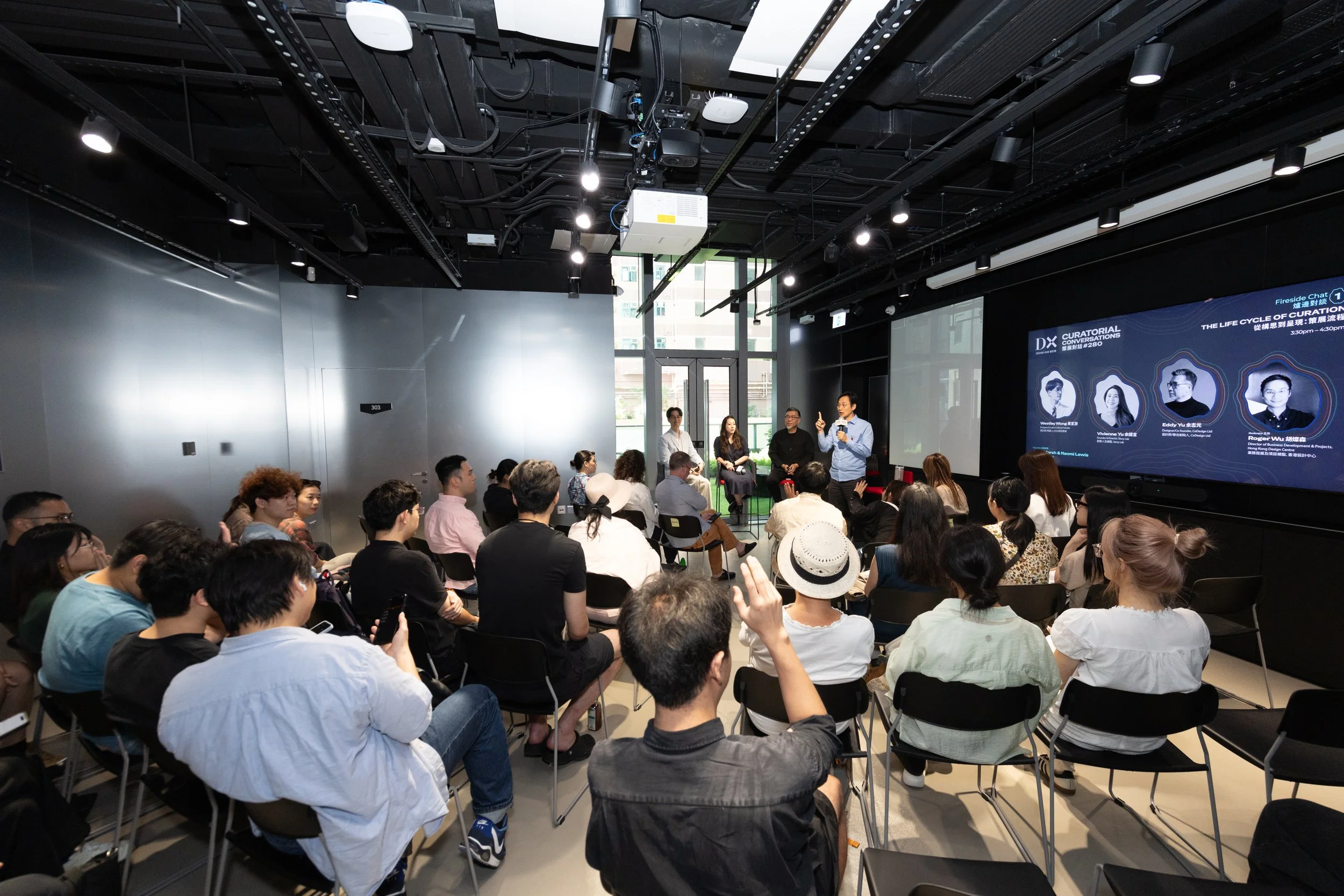
On 18 September, Hong Kong Design Centre brought curators, exhibition designers and guests from Central Saint Martins together at DX design hub for Curatorial Conversation #280. I joined a fireside chat on taking an exhibition from concept to presentation, joined by my co-curator, Eddy Yu from Fading Out/In and Westley Wong of Design to Bridge, in the same building where our exhibition is on view.
What stayed with me afterwards were the questions, not the answers.
On making an exhibition
In this project, we brought different perspectives together. Eddy Yu and Hung Lam are both based in Hong Kong and have always been here. I have come in and out. So they know the city from within, while I see it with the distance as someone who has come and gone, and to be honest, at times I can still feel like a foreigner visiting the city. That contrast shows up in the work. There are things we can agree on easily, and things we can’t.
On storytelling
One of the guests, Andy asks about storytelling, which I don’t think I’ve answered properly. Here’s an afterthought: What makes a story, and not just a topic? A topic tells a visitor what the show is about. A story gives them something to carry out of the room. We briefly discussed after the event that, in many contexts, storytelling is a trendy word, but little meaning and insights are given to what makes a good story. I hope to revisit this topic one day should an opportunity present.
Can an exhibition tell a story without a narrator? In the closing installation, visitors vote with three chips for the heritage they want to keep, and the things nobody chooses slowly fade. The ending, perhaps, is written by the people who visit the exhibition.
Does a story have to be told in words? Lam Fung’s mahjong-inspired composition is part of the Memory zone, and it was performed live that afternoon. Hearing the rhythm of the game in a room full of curators told the story better than a label could.
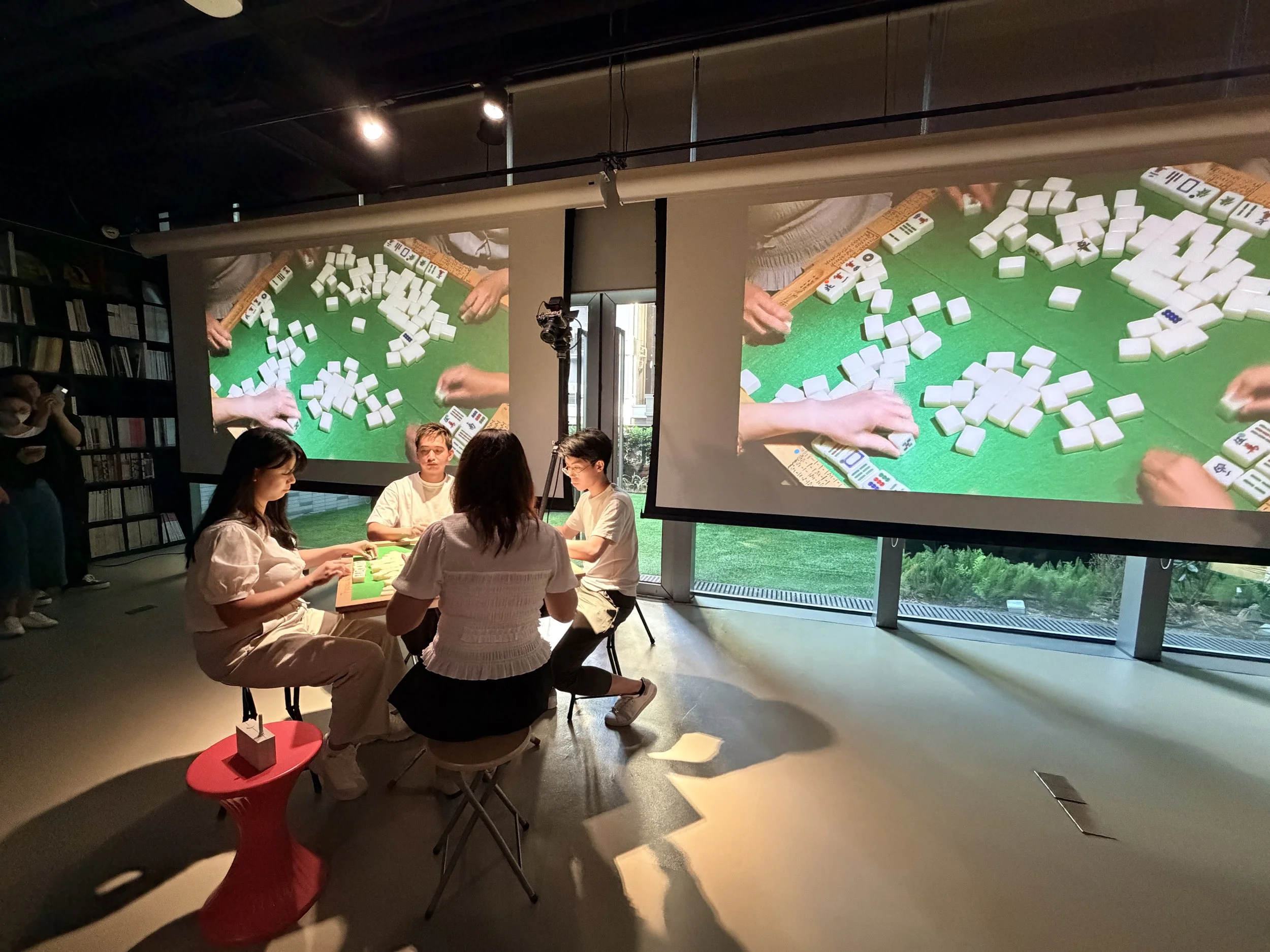
ROUND: Composed by Fung Lam; peformed by @toolboxpercussion
On managing schedules, resources, and budget
Naomi Lewis asked a question about time management and resources. In my answer, I shared the installation for the Filing, Archives and Architectural Research (FAAR) book, in the Memory zone. Displaying a book for the team is one goal. Attracting an audience to look at the book and check it out is another. To reach that second goal, I made the installation by hand. I printed the files I got from FAAR, then stitched all the windows onto the fabric by hand and mounted it on a metal frame. I also added two small projectors that play videos of FAAR’s work. Moving visuals are one way to entice a visitor’s attention, so the installation draws people in before they reach the book.
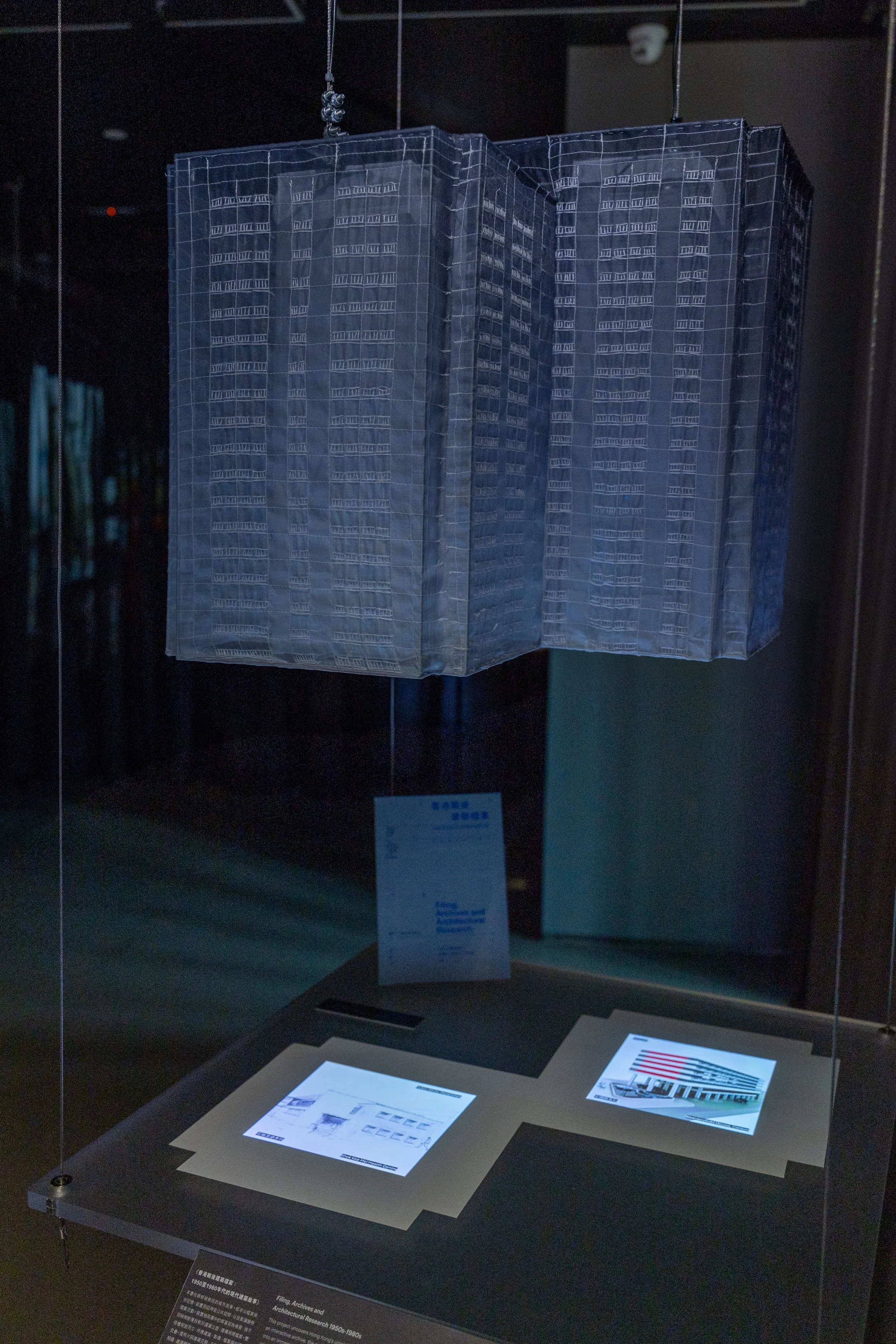
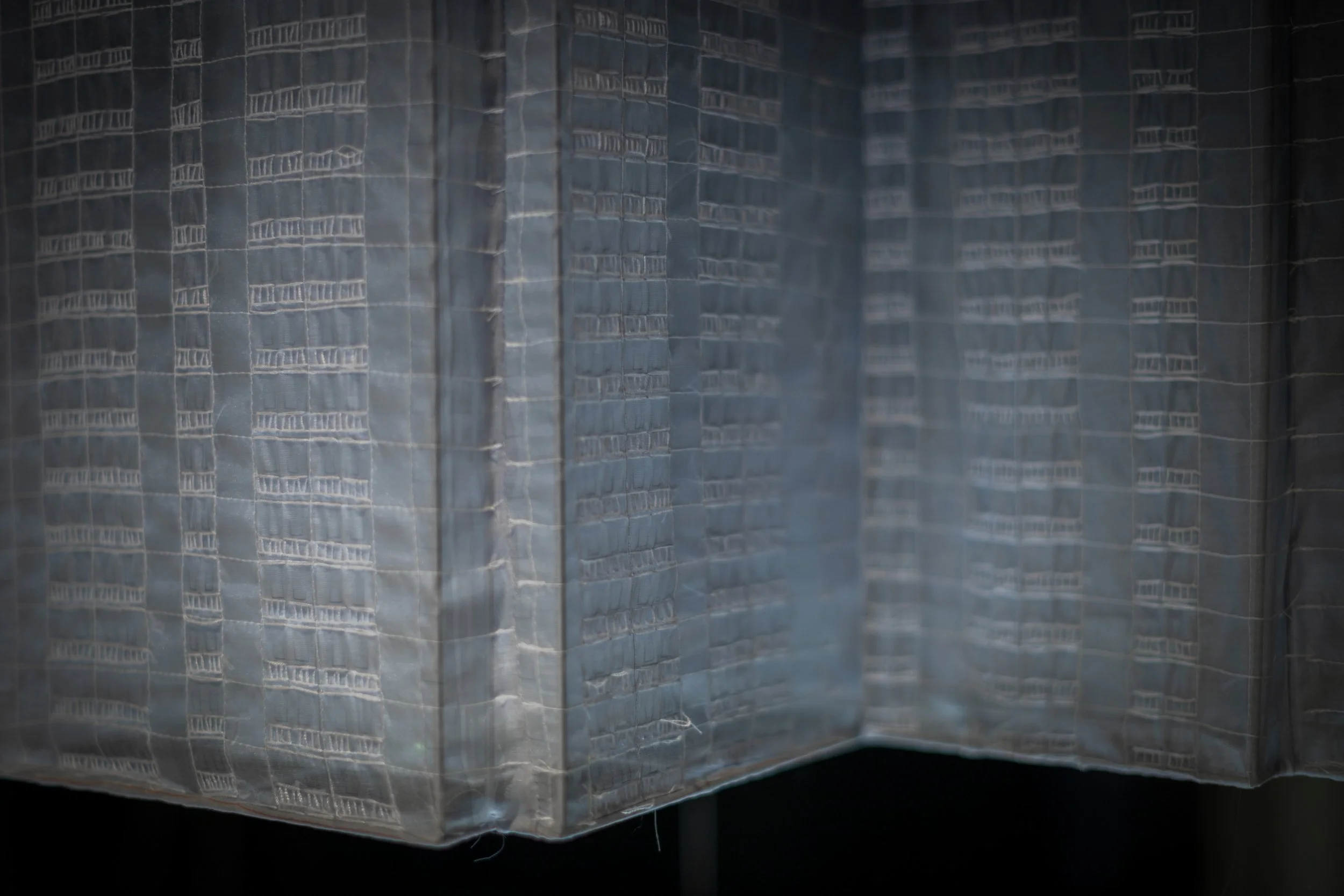
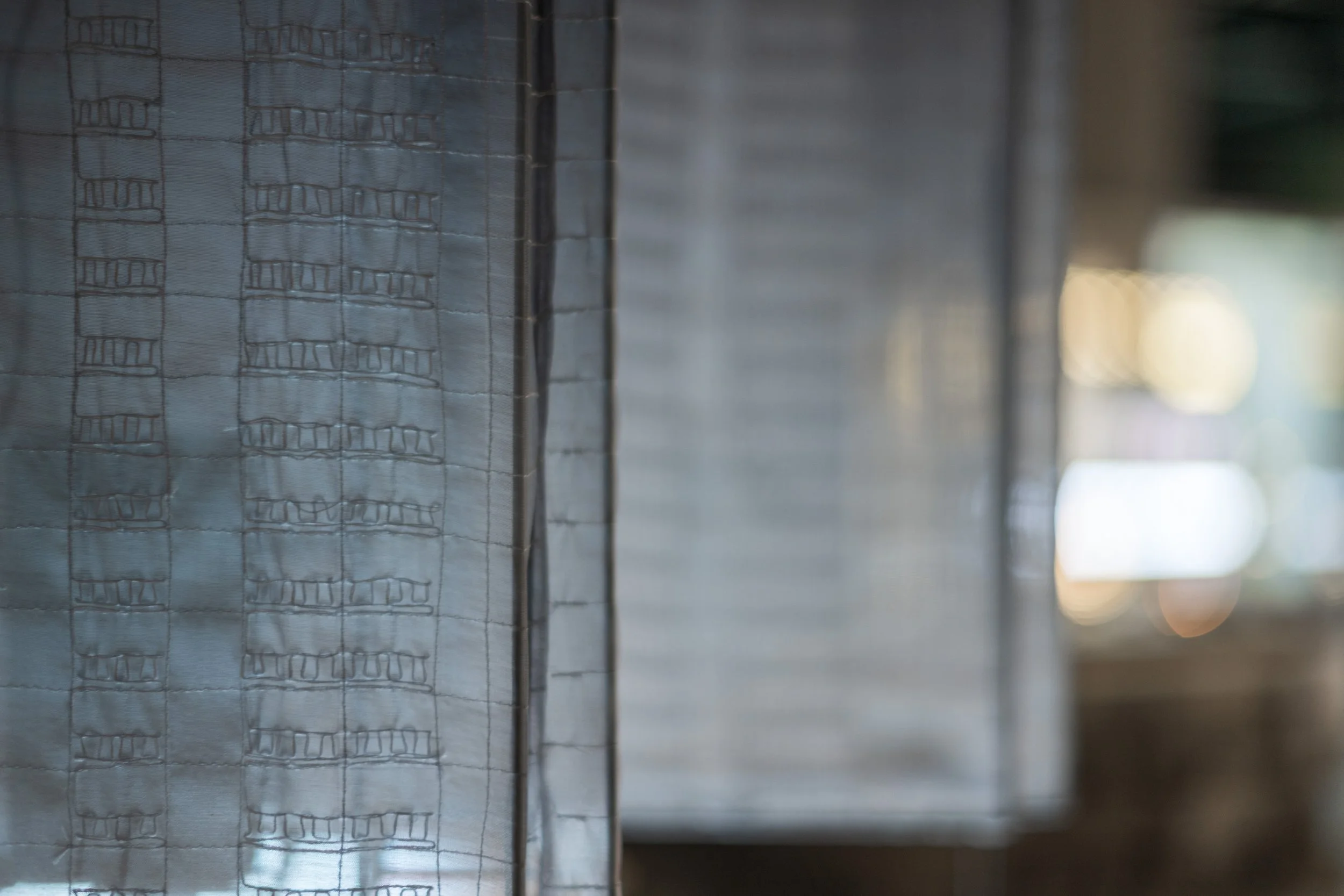
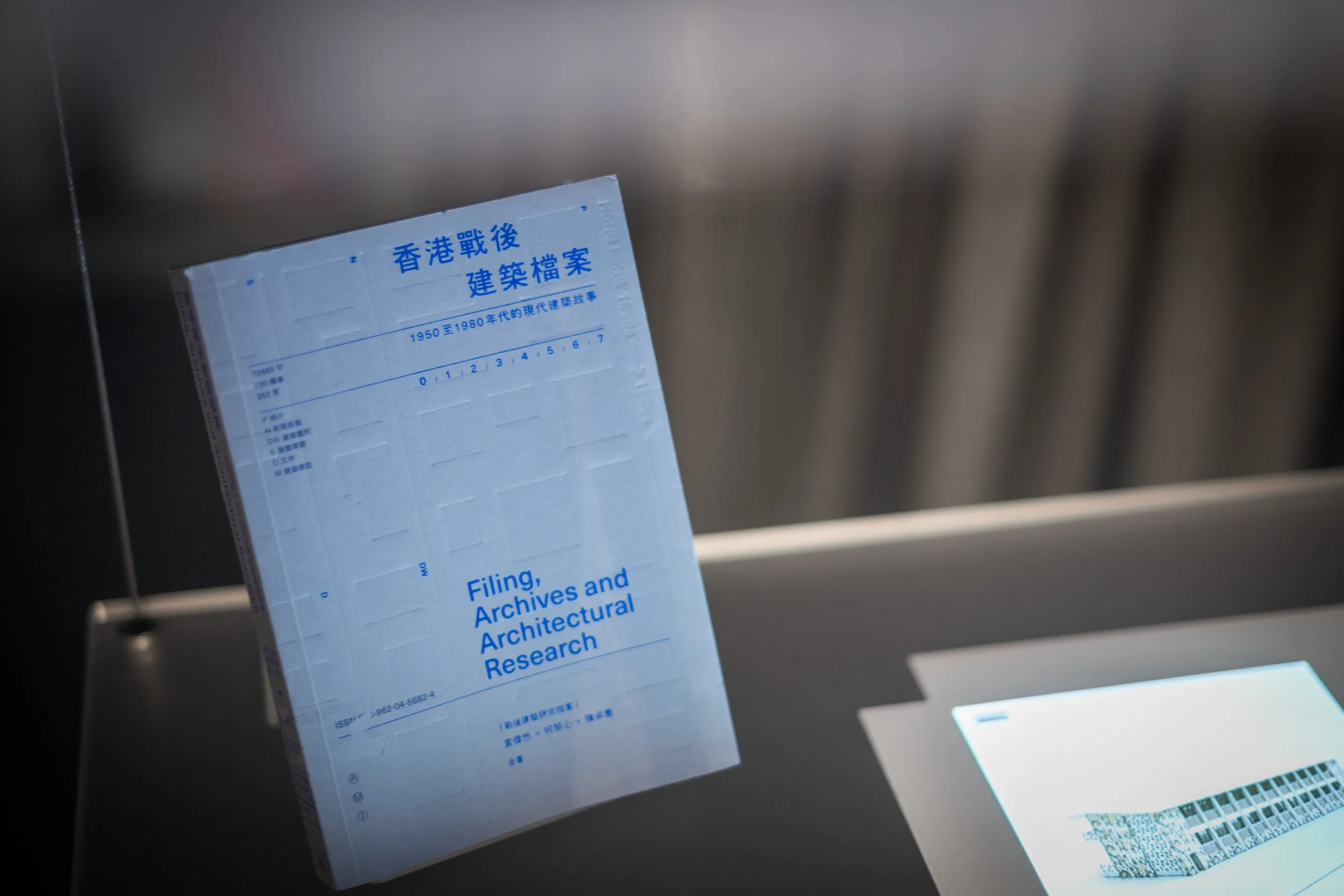
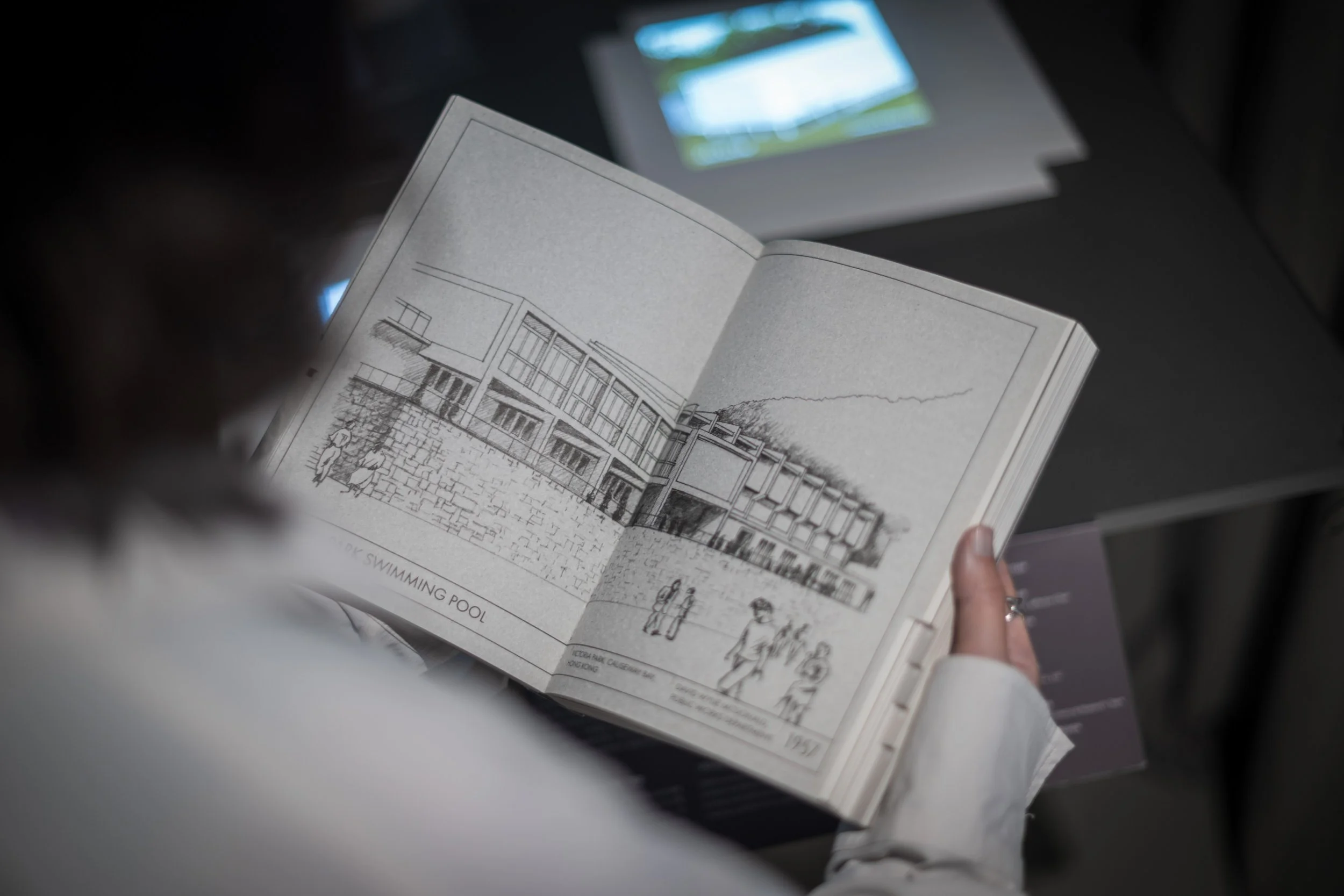
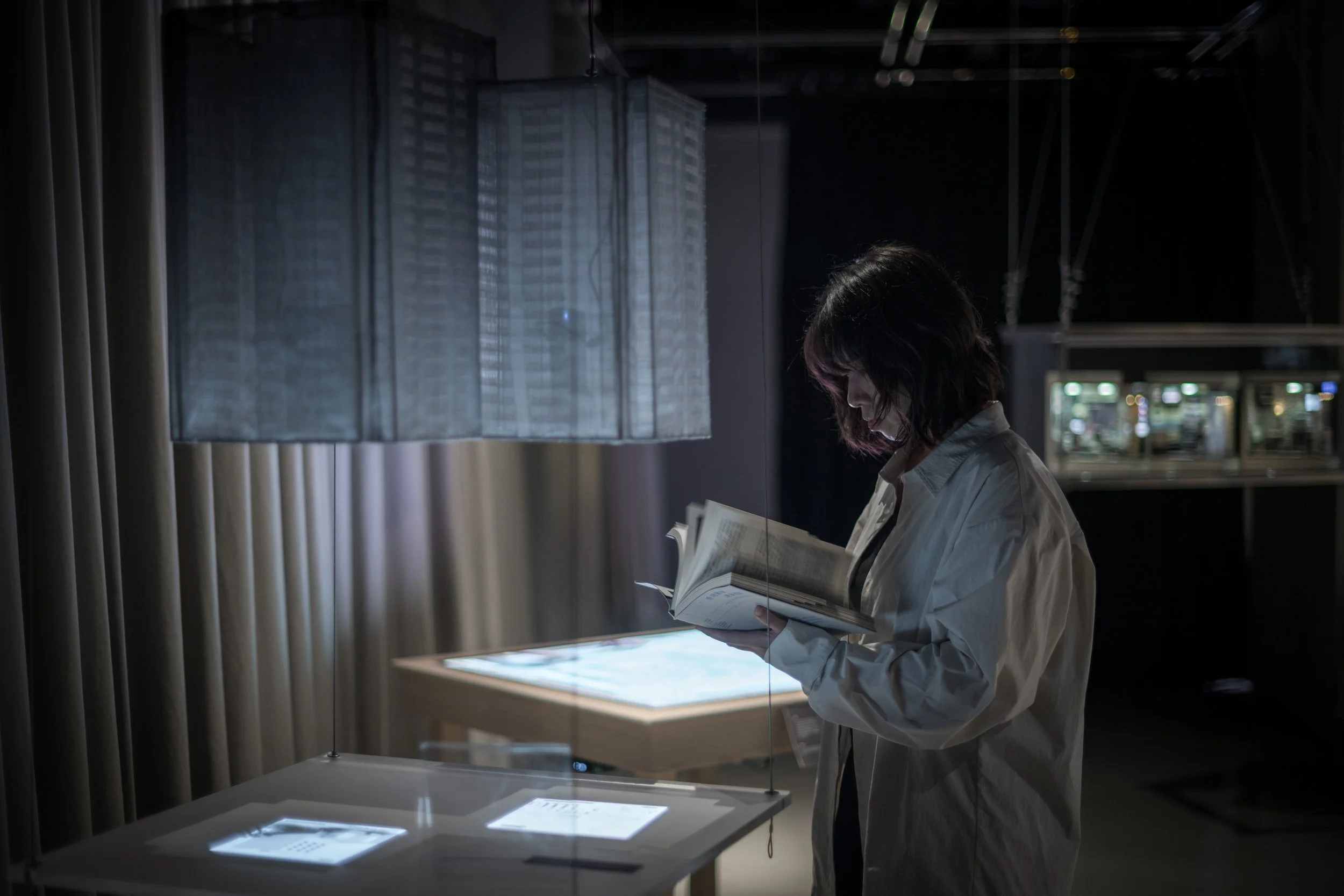
Someone may even ask whether it is worth investing so much time in a handmade exhibit. It is a fair question. This approach is not always the obvious solution in Hong Kong, where budgets are low and time is ticking. I share this example as a curator whose approach leans towards DIY. I don’t do it because it is necessary. It is something I learned in some of my previous workplaces. I find that ad hoc work and improvisation, finding quick solutions and being able to take them on myself, is one way to minimise a design problem and keep it under my own control.
Here’s a recap video for this event. Thank you Hong Kong Design Centre team for bringing us together.